FLASH GUN

When using a flash gun, my camera settings were set to 1/1250 of a second, with an aperture of 2.8 and an ISO of 200. there is a black line down my first photograph as I am using too fast of a shutter speed. The focal plane shutters, this is where the shutter speed is determined by the size of the gap between the first and second shutter curtains as they sweep across the sensor. The flash is faster than the shutter speed, so when the shutter speed is higher or goes over the maximum sync speed this creates a black bar in the photograph.

IMG_7119
1/250   f/2.8    ISO 200


In the second photograph I correctly exposed the image by adjusting the shutter speed, lowering it to accommodate the sync speed. as well as lowering the ISO 125 as the flash over exposes the image, lowering the ISO reduces the grain as well as reduces the light. To avoid really harsh light, I aimed the flash gun at the ceiling which dropped down onto the subjects face giving a soft tonal effect.

IMG_7127
1/125  f/2.8   ISO 125

NEUTRAL DENSITY FILTER

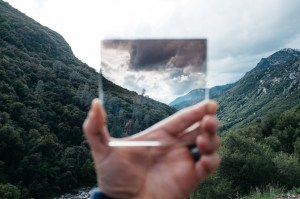
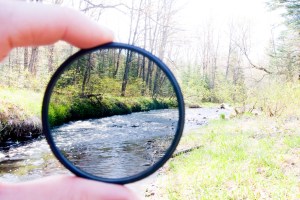
A neutral density filter is used to reduce the amount of light entering the lens, the purpose of this allows a photographer to adjust the aperture, shutter speed and ISO which without the (NDF) would create an over exposed image, what can be achieved by doing this is a shallower depth of field or motion blur.

Graduated-ND-Yosemite

Using a neutral density filter can also be used to show under expose natural lighting, which creates more tones in a photograph. this is an example of that.


Neutral_density_filter_demonstration


EIVIS FESTIVAL ‘PORTHCAWL’ (FIRST SHOOT)

IMG_7014In Porthcawl I attended the Elvis Festival, where I took a set of images of the festivities and the locals who partook in the event. I found the shoot itself productive compared to some set backs, which I had found ways around it and resolved. This was due to how bright it was due to the nice weather. The problem I found with this was the constant need to be changing my ISO and shutter speed to account for my aperture. I used Avery L. White as an influence for this shoot  his use of framing and lighting during events such as sets of photographs at Mardi Gras.

I managed to work around it by shooting at a low ISO of 100 which made it easier to adapt round fixing the rest of my setting on my DLSR. I was using a 50mm lens for most of the duration of the shoot, this was because I was shooting portraits the majority of the time. When shooting portraiture I was using f/1.8 and f/4 which I found gave a nice shallow depth of field, but when using using f/4 the subject had more details in focus due to how the focal points only concentrated on certain parts of the face.


Photo example 1, shows the subject too dark, but on the other hand it shows promising examples of the landscape, showing a nice contrast of light on the waves of the ocean, I think emphasises the background rather than whats in the foreground. The use of negative space creates an enigma around the subject. Compared the second photo in which the subject has clear movement and action, which is busking on the sidewalk. What I did in the second photograph compared to the first is I increased the aperture from f/4 to f/1.8 which opened up the aperture allowing more light, due to the amount of natural light I was shooting 1/2000 of a second, which means there was less light exposing the image which balances out the light.


Another example of correcting light is in the the two examples above, the in which my subject was under a roof. Due to the amount of shade on the subject it was difficult to get detail on the face for the portrait, but moving the subject into the sunlight made him over expose, the way I resolved this was reducing the shutter speed from 1/3200 of a second to 1/1600 of a second which shows a better result creating vibrancy in the whites and red almost creating a colour pop effect. The only thing I would have done differently if I was to do this shoot again would to bring a gold or silver reflector which would create a nice tint and highlight in the face.


REVIEW

To summarise this shoot I would say I have some high quality images with a lot of context regarding the final images. I decided to have the photos as sets of 3 as it allows the viewer a wider overview of a narrative or a recurring theme.

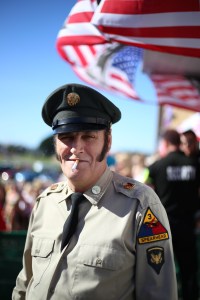
The first set consists of 3 different men, who are all dressed influentially by Elvis Presley, the images were shot with an aperture of f/4 so the lens could focus on the entire face of the subject. If I was to shoot something like this again, I would go back and choose similar lighting and aesthetics to the background to show similarity and homage to each other, this means the last two images should have a similar colour and feel to the first image, as in my opinion the vibrancy of the white create a colourful and contrasted blue in the background.

The second set of photo’s purpose are to highlight and signify the family friendly atmosphere which is shown in a clear examples through the image of the father and children, and the husband and wife. The only problem with this set is the views that having an image of a women is seen as derogative as there is no context behind the singular woman, but following the themes of Elvis and the 50’s, the clear indication is shown through the a tattoo on the shoulder of the subject.

Out of all images taken during this shoot, the third set of images most favoured in my opinion. This is due to the context behind the costumes worn by the three men. Without being “too on the nose” , the three subjects take a subtle approach to the the event by dressing in military outfits which shows homage to his military efforts during 1958 – 1960 in the United States. As well as his acting role in G.I Blues. When shooting these images my main focus was background imagery which could recreate an American theme. For the first image of the set I used a fast shutter speed in which I timed it with the wind, which created a waving flag effect, which is an iconic image in American media.

To summarise the influences behind the integrity of the shoot has been show, and it also demonstrates the purpose of celebrating Elvis Presley shown through forms of media i.e photographs.
ARTIST RESEARCH (AVERY L. WHITE)

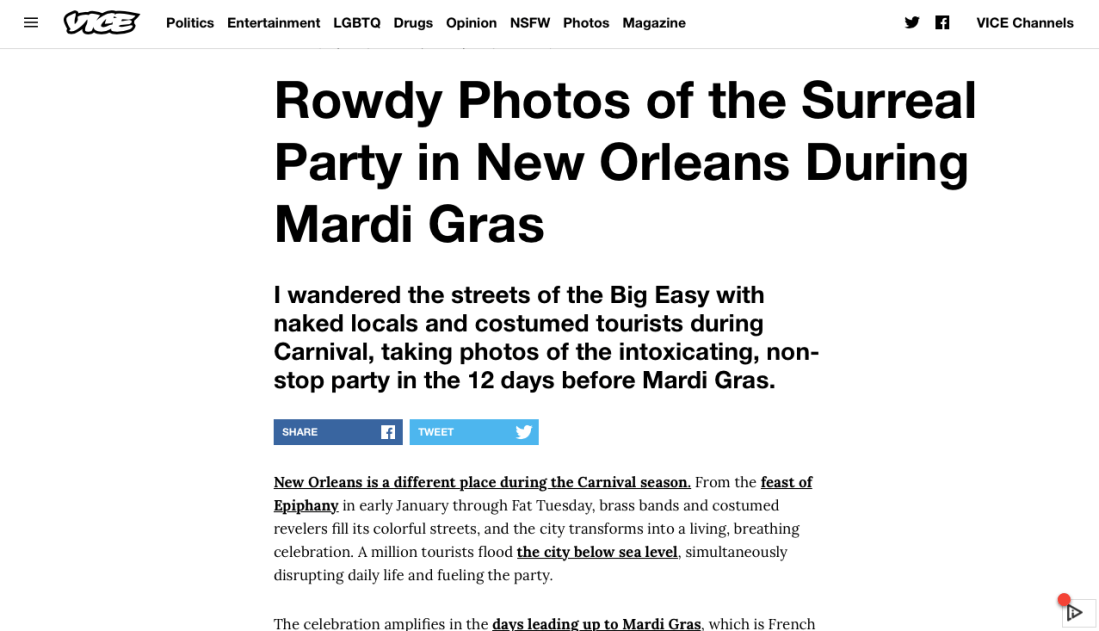
Vice photographer Avery L. White went to New Orleans a week before Mardi Gras, a christian festival celebrating before and after the christian feast of Epiphany and ends the day before Ash Wednesday, the phrase Mardi Gras translates to the French word of “Fat Tuesday”. Unfortunately through years of tradition in New Orleans the festival has now lost its meaning, as its now a party central for an array of different people, of different social and economical backgrounds, sexual orientations and more. It is now a more divers way for people to express themselves. White uses a ‘shoot from the hip’ method to demonstrate the natural celebrations of what people do during Mardi Gras.

Screen Shot 2018-10-04 at 19.38.39

In the sets of photographs produced from Mardi Gras White uses a candid method of shooting to create the subjects to be natural and no altered images in the scene. What I like about this photographer is his used of light and capturing people who have either interesting clothes on the scene has good contrasted colour in the scene.

when analysing these photographs I have thought and taken key points in which I will apply to my photos as inspiration, the key factors I took from White’s photographs was the use of framing, the way he shot his images the depth of field wasn’t too shallow, which creates an atmosphere around the photo, so while the main focus of the image is the subject which should be clear in the image, unless its a group photograph or in loose terms of a landscape photograph. Looking at the images I like the use of not over exposing the images or making them too light, creating a grey effect which brings out the colours in each photograph. I will be attending a similar event in Porthcawl, of which the local areas will be dressing and celebrating the life of Elvis Presley, I will be using similar techniques to pay homage to White’s work over Mardi Gras, using the same fundamentals regarding lighting, use of aperture and framing of each subject.


Shutter Speed & ISO

shutter speed is the exposure to the digital sensor or film inside a camera. The shutter keeps the light out of the camera, until it is opened and exposes to create an image. In this example it shows how light effects an image, the more light in an image or capture through the view finder, the slower the shutter speed should be. For example in day light or more specifically a faster shutter speed should be used as there is too much light exposing an image. compared to being inside or in a low lit environment, in which a slower shutter speed should be used as it allows more light to expose an image creating in to be lighter

Shutter speed is also used to capture movement or to create a ‘Blur’ effect to simulate movement. often used in sport or for nature photography. A good example of a sports photographer would be Walter G. Arce, this photographer used a slower shutter speed to great motion in crashes during Nascar, using these techniques he also creates soft tones in tire smoke which create amazing and natural textures in races. Using a fast shutter speed stops movement creating a ‘still’ image, but using a slower shutter speed creates a ‘motion blur’ in which the subject is either in focus and the background has a motion blur effect due to the speed or action in which the subject in motion.

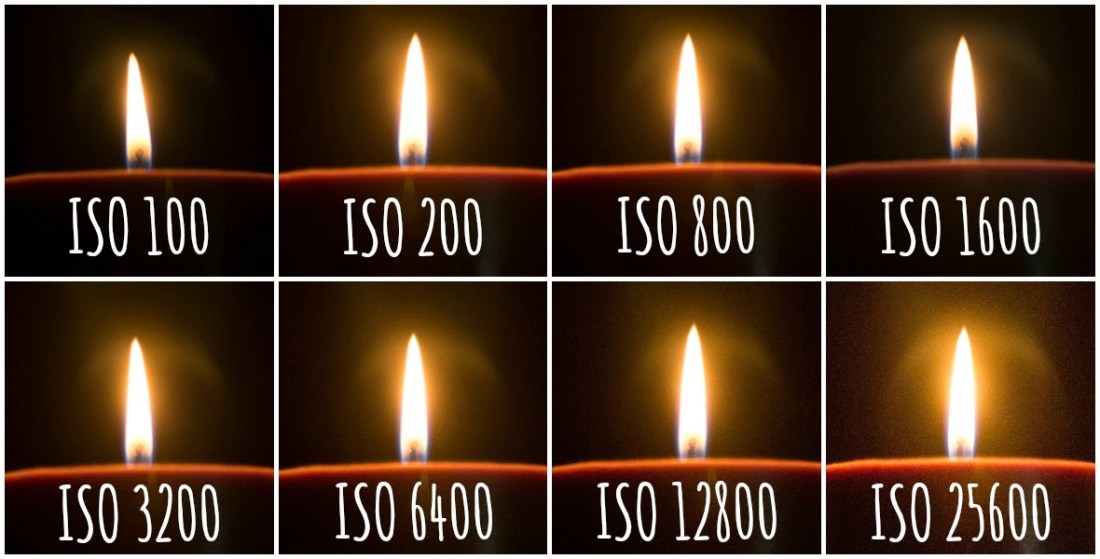
The ISO is used to help and work along side the shutter speed to correctly expose an image, The higher the ISO the lighter the image, and the lower the ISO the darker the image, a low ISO is used mostly outside and in well lit environments, and a higher ISO is used in darker environments. But the only difficulty in using a higher ISO is that it creates more grain or noise in the photograph.

iso

Aperture

Screen Shot 2018-10-12 at 15.27.58
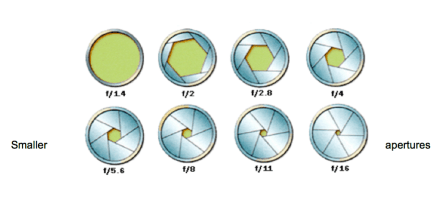
Aperture is the amount of light which is allowed into the camera, either creating a blurred or sharpened image around the main focal point. The more light which is allowed into the camera, the shallower depth of field (blurred f/ 1.4) but the less light allowed into the camera which is a deep depth of field (sharp f/22). The aperture on a SLR or DSLR is moderated and adjusted by F stops or F numbers.

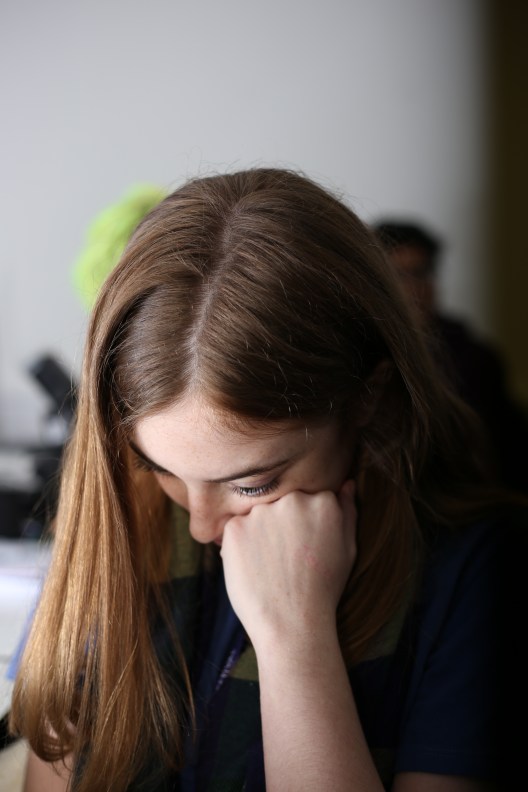
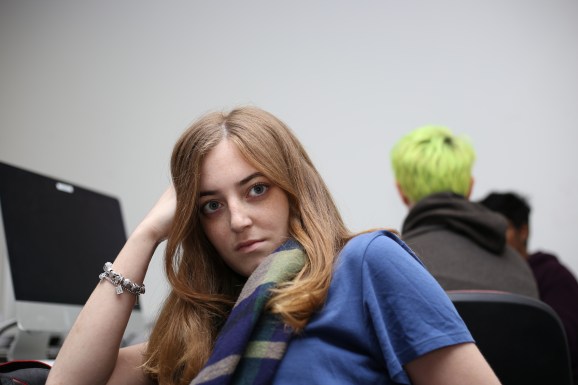
During a practical assignments we experimented with aperture using our individual cameras to expand our knowledge on our equipment. During this practise I was using a 50mm lens which has the wide aperture of f/1.8, which the first photo the background is thrown out of focus, which is a demonstration a shallow depth of field. In the second image I used an aperture of f/22 which has put everything in the frame in focus.


Introduction to the Module

During this module I will be demonstrating my basic skills and expanding and developing through practical and written work. Showing development of fundamentals introducing them into practise. During this module I will be showcasing and developing my ideas through this blog, brain storming and demonstrate the correlation between ideas and themes to create sets of images which relate to the topic of the story in Photojournalism.